- Follow On:
-

-

-

-

 Blog Detail
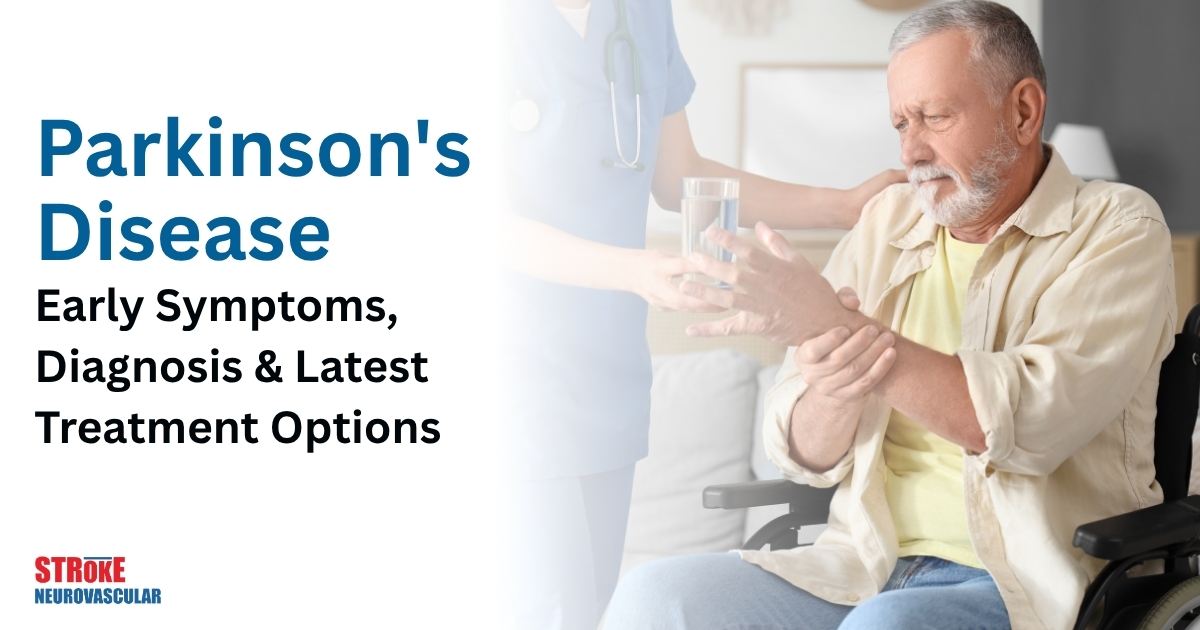
 Parkinson’s disease is a progressive neurological disorder that affects movement, balance, and coordination. It develops gradually, and the early symptoms are often subtle, making them easy to overlook. While there is currently no cure, early diagnosis and appropriate treatment can help manage symptoms, improve quality of life, and slow the progression of the disease.
Understanding the warning signs and seeking timely medical care can make a significant difference.
What Is Parkinson’s Disease?
Parkinson’s disease occurs when nerve cells in a part of the brain responsible for controlling movement gradually become damaged or die. These cells produce dopamine, a chemical messenger that helps coordinate smooth and controlled muscle movements.
As dopamine levels decrease, movement becomes slower and less coordinated, leading to the characteristic symptoms of Parkinson’s disease.
Early Symptoms of Parkinson’s Disease
Symptoms usually develop slowly and may affect one side of the body before progressing to both sides.
Common early signs include:
Tremors
A slight shaking of the hand, fingers, chin, or leg while at rest is often one of the earliest symptoms.
Slowed Movement (Bradykinesia)
Everyday activities such as walking, dressing, or getting out of a chair may become slower and more difficult.
Muscle Stiffness
Stiff muscles can cause pain, reduce flexibility, and limit the range of movement.
Balance and Walking Problems
People may experience poor balance, shorter steps, or a shuffling gait, increasing the risk of falls.
Changes in Handwriting
Handwriting may become noticeably smaller, a symptom known as micrographia.
Reduced Facial Expression
The face may appear less expressive or “masked,” even when the person is feeling normal.
Softer Voice
Speech may become quieter, monotone, or slightly slurred over time.
Other Non-Movement Symptoms
Parkinson’s disease can also affect other body functions, including:
These symptoms may appear years before movement problems become noticeable.
When Should You See a Neurologist?
Consult a neurologist if you notice:
Early evaluation helps confirm the diagnosis and allows treatment to begin before symptoms significantly affect daily life.
How Is Parkinson’s Disease Diagnosed?
There is no single blood test to diagnose Parkinson’s disease. A neurologist will typically perform:
Diagnosis is mainly based on symptoms and clinical examination.
Latest Treatment Options
Although Parkinson’s disease cannot be cured, several treatments help control symptoms effectively.
Medications
Medicines that increase or replace dopamine are the main treatment and help improve movement, reduce stiffness, and control tremors.
Physical Therapy
Regular exercise and physiotherapy improve flexibility, balance, strength, and mobility while reducing the risk of falls.
Speech Therapy
Speech therapy helps improve voice volume, swallowing difficulties, and communication skills.
Deep Brain Stimulation (DBS)
For selected patients whose symptoms are not adequately controlled with medication, Deep Brain Stimulation (DBS) may be recommended. This surgical treatment involves implanting electrodes in specific areas of the brain to help reduce tremors, stiffness, and movement difficulties.
Lifestyle Changes
Healthy habits can also make a significant difference:
Can Parkinson’s Disease Be Prevented?
There is currently no proven way to prevent Parkinson’s disease. However, maintaining a healthy lifestyle, staying physically active, and managing overall health may support long-term brain health.
Early recognition remains the best way to improve treatment outcomes.
Final Thoughts
Parkinson’s disease develops gradually, but recognizing the early symptoms can lead to timely diagnosis and better symptom management. Tremors, slowed movement, stiffness, balance problems, and changes in handwriting should never be ignored.
With advances in medications, rehabilitation therapies, and treatments such as Deep Brain Stimulation, many people with Parkinson’s disease continue to lead active and fulfilling lives. If you or a loved one notices persistent symptoms, consult a neurologist for a comprehensive evaluation and personalized treatment plan.
Frequently Asked Questions
A resting tremor in one hand is one of the most common early signs, although some people first notice stiffness or slowed movement.
No. There is currently no cure, but medications, therapy, and advanced treatments can effectively manage symptoms.
It most commonly affects people over the age of 60, but younger adults can also develop the condition.
Yes. Regular exercise improves balance, flexibility, strength, mobility, and overall quality of life for people living with Parkinson’s disease.
Related